
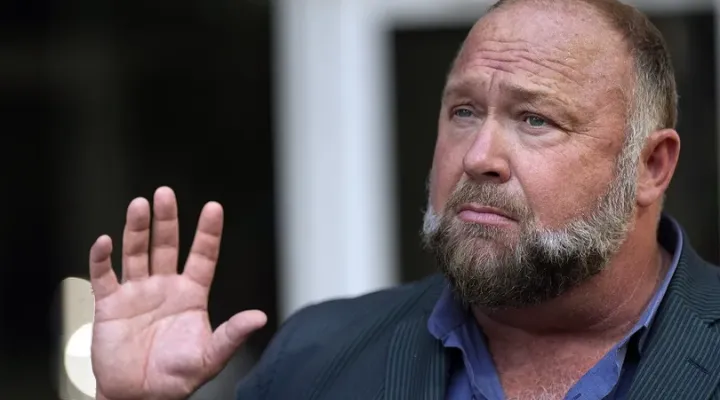
The U.S. Supreme Court has officially rejected Alex Jones appeal, upholding the massive defamation judgment tied to his false claims about the 2012 Sandy Hook tragedy. This final decision ends a years-long legal battle that captivated both political and celebrity news circles. Jones, known for his Infowars media platform, had argued that his comments were protected under free speech. However, the court refusal to hear his appeal confirms that the previous rulings—and the $1.4 billion penalty—will stand. This marks a powerful statement about the limits of free speech when it causes real harm, a topic widely discussed on platforms like hollywoodreviewz.
The Long Road to the Supreme Court
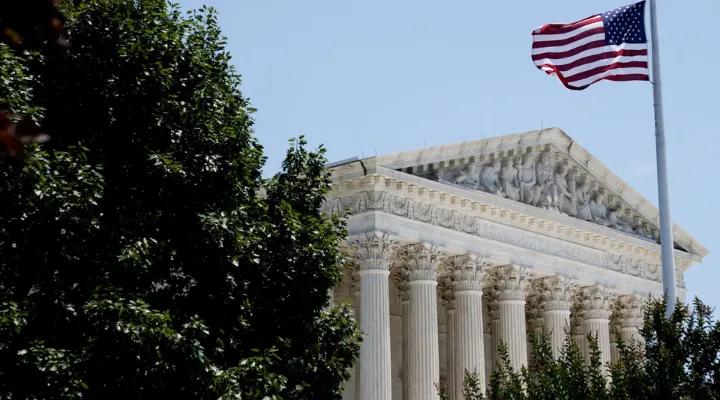
Alex Jones became infamous after promoting conspiracy theories that labeled the Sandy Hook shooting a “hoax.” These claims inflicted years of trauma on the victims families and led to multiple defamation lawsuits. Courts ruled decisively against Jones, awarding families a combined total of nearly $1.4 billion in damages. His attempt to overturn the ruling through the Supreme Court was seen as a last-ditch effort to escape financial ruin. With this rejection, the highest court in the land has sent a clear signal: misinformation, when weaponized, comes with serious consequences. The case is now viewed as one of the most significant moments in modern defamation law.
The Impact on Media Responsibility
The Supreme Court decision has sparked widespread conversations about the future of media accountability. While Jones has long claimed his remarks fell under the protection of free expression, this case highlights that free speech does not grant the right to spread falsehoods that cause measurable harm. It has also made other media figures rethink the content they produce, particularly in an era when social media amplifies every statement to a global audience. For readers who follow celebrity news and legal developments on hollywoodreviewz, this decision represents a turning point where courts reaffirm that influence must be balanced with responsibility.
Public Reaction and Cultural Significance
Public reactions to the Supreme Court rejection have been intense and deeply divided. Supporters of the Sandy Hook families view this as long-awaited justice, while Jones loyal followers see it as a blow to free speech. The case has become more than a legal battle—it a cultural moment that defines how misinformation is handled in the modern age. Online forums, podcasts, and entertainment news platforms have analyzed every angle of the story, reflecting society fascination with high-profile legal drama. For many, this ruling is not just about Alex Jones—it about how society draws the line between freedom and accountability.
The Legacy of the Alex Jones Case
The Supreme Court refusal to hear Alex Jones appeal cements the case as a landmark in American legal history. It underscores that even the most influential voices must face consequences when their words cross ethical and legal boundaries. This decision will likely serve as a reference point for future lawsuits involving public figures and misinformation. Beyond the courtroom, it challenges all media personalities to act with integrity and empathy. As discussions continue on hollywoodreviewz and other celebrity news outlets, one truth remains clear: the era of unchecked disinformation is being replaced by one of legal and moral accountability.
